
Kognitive Ethologie (Cognitive ethology)
Unter der Ethologie versteht man klassischerweise die Verhaltensforschung, die sich sowohl auf Menschen als auch nicht-menschliche Tiere beziehen kann. Die kognitive Ethologie ist ein Teilgebiet davon, bei der es einen Schritt weiter geht und kognitive Vorgänge von Tieren untersucht werden. Das betrifft zum Beispiel Denkprozesse, ebenso aber auch die Frage, ob Tiere Meinungen haben können.
Von einigen Seiten wird der Begriff des Faches kritisiert, andere sehen darin eine wichtige Erweiterung im Verständnis von Tieren. Insofern ist die kognitive Ethologie auch ein Feld, das enorm wichtig für die Zukunft ist, in der Tierrechte auch auf kognitiven Fähigkeiten basieren könnten. Es gibt auf der Welt unterschiedliche Einrichtungen für das Forschungsfeld, unter anderem auch am Deutschen Primatenzentrum. Alles Wissenswerte zur kognitiven Ethologie folgt in diesem Artikel.
Was ist kognitive Ethologie?
Grundsätzlich ist die Ethologie ein Forschungsfeld, das sich mit Verhaltensweisen auseinandersetzt. Als eigenständige Disziplin hat sie sich in der ersten Hälfte des 20. Jahrhunderts entwickelt. Eng verwandt ist die Ethologie mit der Biologie bzw. Zoologie und der Psychologie. Der Begriff geht auf das Altgriechische “ethos” zurück, was so viel wie Gewohnheit oder Sitte heißt und auch in dem deutschen Wort Ethik zu finden ist. In der Hauptsache werden Tiere und ihre Verhaltensweisen untersucht. Gedanken dazu gab es auch schon in der Antike, doch mit dem Aufkommen der Psychologie im 19. Jahrhundert wurde es noch konkreter.
Wenn von der kognitiven Ethologie die Rede ist, geht es also nicht alleine nur um Verhaltensweisen allgemein, sondern vor allem um kognitive bzw. geistige Tätigkeiten. Wie entstehen Denkprozesse? Was ist eine Absicht? Und können Tiere Meinungen haben? Diese Fragen sind durchaus auch schon seit der Antike wichtige Bestandteile der Philosophie gewesen und auch heute noch nicht endgültig geklärt. In der kognitiven Ethologie werden diese Problemstellungen auf nicht-menschliche Tiere ausgeweitet. Die Ergebnisse können weitreichende Folgen haben.
Letztendlich ist die kognitive Ethologie auch ein Teilbereich der Kognitionswissenschaft, in diesem Fall jedoch an die Verhaltensforschung gekoppelt. Nicht alleine nur Bewegungen und Handlungen der Tiere werden beschrieben, sondern auch ihre möglichen Gedanken. Klassische Ansichten vertreten oft den Punkt, dass Tiere selbst nicht denken und agieren, sondern in der Regel nur reagieren können. Moderne Forschung zeigt aber, dass Tiere oftmals ebenfalls Denkprozesse haben, die ihr Verhalten erklären.
Absichten, Meinungen und Denkprozesse
 Die Begriffe werden oft im Alltag verwendet, tatsächlich sind sie aber oft gar nicht so klar definiert. Das gilt unter anderem für Meinungen, Absichten oder auch das Denken an sich. Jeder kann sich ungefähr darunter etwas vorstellen, doch bei der näheren Erläuterung wird es schon schwieriger. Das verwundert nicht, werden solche Begriffe und Inhalte doch schon seit der Antike diskutiert und auch heute noch gibt es Kontroversen dazu. Alleine der Begriff des Denkens umfasst viele verschiedene Fragestellungen. Damit kann eine Vorstellung gemeint sein, ebenso aber auch ein logischer Denkprozess.
Wenn es um Meinungen geht, glauben die meisten auch ungefähr zu wissen, was das bedeuten soll. Tatsächlich aber sind auch Meinungen nicht so klar, wie es viele gerne hätten. Auch Meinungen gehören zum klassischen Thema der Erkenntnistheorie. Eine zentrale Frage dieser Disziplin: Gibt es überhaupt echtes Wissen oder ist alles nur Meinung?
Auch bei Handlungen gibt es interessante Fragen zu beachten, was oftmals im Alltag zu beobachten ist. Eine Handlung lässt sich leicht erkennen. Doch welche Absichten stecken hinter Handlungen und kann man diese überhaupt so gesondert betrachten. Diese Fragen werden schon lange für den Menschen diskutiert. Mit der kognitiven Ethologie werden diese Begrifflichkeiten aber auch auf die Welt der Tiere erweitert.
Auswirkungen auf Tierrechte
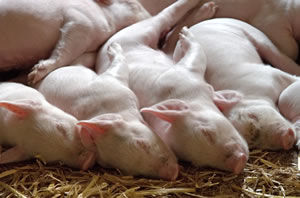 Grundsätzlich könnte man es einfach nur für interessant halten, wenn kognitive Fähigkeiten und Prozesse von Tieren untersucht werden. Tatsächlich können sich daraus aber auch ganz klare Konsequenzen ergeben. Tierschutz und Tierrechte sind Themen, die immer populärer werden. Eine ganz zentrale Frage der Ethik liegt oftmals darin, ob es einen Unterschied zwischen Menschen und nicht-menschlichen Tieren gibt. Solche Unterschiede sorgen in der Regel dafür, dass auch eine ungleiche Behandlung stattfindet. Beispielsweise dürfen die meisten Tiere als Nahrung dienen.
Wenn nun aber unter anderem durch die kognitive Ethologie der Vernunftbegriff ausgeweitet werden muss, kommt die Frage auf, inwiefern die Unterschiede zwischen Mensch und nicht-menschlichen Tieren überhaupt noch bestehen können. Kann eine Ungleichbehandlung in vielen Fällen ethisch weiterhin vertreten werden? Die Vernunft war Jahrhunderte lang ein zentraler Faktor, wenn es um die Unterscheidung von Mensch und Tier geht. Immer häufiger zeigt sich aber, dass die meisten Tiere gleiche kognitive Voraussetzungen wie Menschen haben. Für die ethische Bewertung ändern sich dadurch maßgeblich die Voraussetzungen.
Kognitive Ethologie in der Forschung
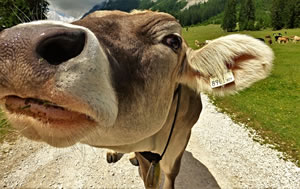 Heute hat sich die kognitive Ethologie als Forschungsfeld etabliert. Es gibt verschiedene Institute weltweit, die sich damit auseinandersetzen. Allerdings gibt es auch Kritik an dieser Disziplin, vor allem was den Begriff angeht. Dennoch hat sich in den letzten Jahren viel dazu getan und immer häufiger werden kognitive Forschungen durchgeführt. Wichtigstes Werkzeug in der Forschung ist die Beobachtung. Das geschieht sowohl in der freien Natur als auch in abgeschlossen Räumen, was Versuchsinstitute oder Tierparks sein können. Es werden Verhaltensweisen von Tieren beobachtet, notiert und studiert.
Aufgrund des Verhaltens der Tiere wird versucht, Rückschlüsse auf die kognitiven Fähigkeiten und Vorgänge zu schließen. Dabei werden Tiere einfach so beobachtet, vor allem auch in der sozialen Gruppen, aber auch in Experimenten. Das sind meist Verhaltensexperimente, mit denen man herausfinden will, ob sich Denkprozesse nachweisen lassen. Sehr bekannt ist zum Beispiel der Spiegeltest, in dem ermittelt wird, ob sich Tierarten oder einzelne Tiere selbst im Spiegel erkennen können. Das könnte auf ein Ichbewusstsein hindeuten.
Abteilung für Kognitive Ethologie am Deutschen Primatenzentrum
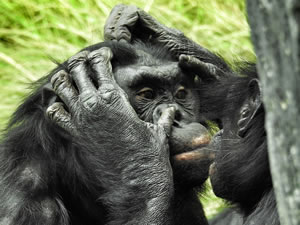 Kognition und Kommunikation in Hinsicht auf evolutionäre und ökologische Entwicklungen werden auch in der Abteilung für Kognitive Ethologie am Deutschen Primatenzentrum durchgeführt. Informationen über diese Abteilung gibt es auch auf der offiziellen Webseite. Zu finden ist das Deutsche Primatenzentrum am Leibniz Institut für Primatenforschung in Göttingen. Verschiedene Forschungsfelder stehen hier im Fokus der Arbeit. Dazu gehört die Feldforschung an Guineapavianen, phylogenetische Analysen, die Kognitionsforschung an Affen und auch die Erforschung von akustischer Kommunikation. Die Ergebnisse dieser Forschungen lassen nicht nur Rückschlüsse auf die nicht-menschlichen Tiere zu, sondern auch auf den Menschen und dessen Evolution. Zum Beispiel, wenn es um die Entwicklung von Sprache geht. Geleitet wird die Abteilung der Kognitiven Ethologie in Göttingen von Professorin Dr. Julia Fischer. Auf der Webseite lassen sich auch Publikationen finden.
Fazit zur Kognitiven Ethologie
Psychologie und Verhaltensforschung sind heute wichtige Disziplinen, mit denen der Mensch erklärt werden kann. So ein Verständnis kann konkrete Vorteile mit sich bringen. Beispielsweise, wenn es um die Gestaltung von Arbeitsplätzen geht oder generell der geistigen Gesundheit des Menschen. Aber auch in Fragen des Rechts und der Ethik ist es wichtig, das Verhalten von Menschen verstehen zu können. In der kognitiven Ethologie werden solche Fragen auch auf Tiere ausgeweitet.
Denkprozesse durchlaufen und Meinungen haben – das sind längst keine einmaligen Vorzüge des Menschen mehr. Auch viele Tierarten haben ähnliche kognitive Voraussetzungen, was zum einen das Bild der Tiere verändert, aber auch des Menschen, der sich eine lange Zeit als vernunftbegabt überlegen gefühlt hat. Auch auf Tierrechte können solchen Forschungen Auswirkungen haben, wenn die Unterschiede zwischen Menschen und nicht-menschlichen Tieren auf kognitiver Ebene schrumpfen. Untersucht werden solche Verhaltensfragen unter anderem auch am Deutschen Primatenzentrum in Göttingen, wo es eine eigene Abteilung für die kognitive Ethologie gibt.